
Nursing and
veterans healthcare
$27 million invested in more than 1,400 Scholars representing 50 states, including 400 focused on veterans healthcare
learn more
Vision Health
Over $6 million to advance research, treatment and care for children’s vision health.
learn more
Children’s
environmental health
More than $1 million to launch Children’s Environmental Health Initiative
learn more
In Memoriam
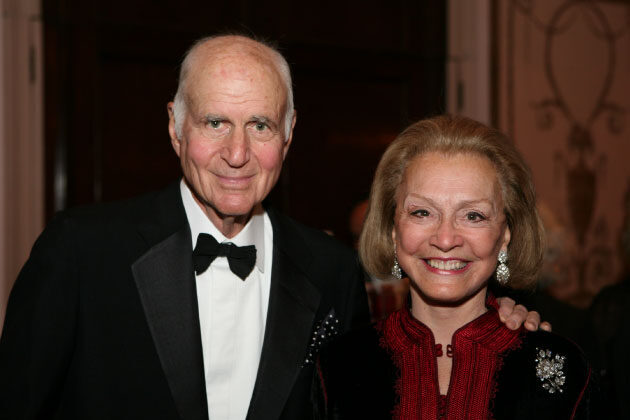
In Memoriam
Jonas Philanthropies expresses profound sadness upon the passing of our visionary founder, Donald Jonas. In 2006, Barbara and Donald Jonas brought together their professional expertise and philanthropic passion to address a growing crisis in our nation’s healthcare system. Thanks to Donald and his late wife Barbara, the severe nursing shortage of previous decades was addressed. He loved supporting the underdog and lived by the credo that if "you die rich, you die poor". Their generous and philanthropic giving extended beyond nursing to include vision health, children's environmental health as well as climate health.
Mr. Jonas's robust generosity and leadership in support of nurses, nursing faculty, and doctoral nurse clinicians and researchers, continues to resonate as we celebrate fifteen years of their guiding philanthropy in support of nursing and veterans healthcare across the nation. He will be deeply missed by the entire JNVH staff and board of advisors as well as the 1,400 Jonas Scholars and the entire nursing community.